Sustainable Manufacturing
Tega places great importance on fulfilling its environmental and social responsibilities. The PE100 fittings and valves that Tega produce offer numerous sustainability advantages compared to their cast iron, concrete, and steel counterparts.
PE100 materials are highly durable and resistant to corrosion, significantly reducing the need for maintenance and replacement. Their production process requires less energy and generates a lower carbon footprint, while their lightweight structure enables more efficient transportation with lower fuel consumption and easier installation with less labor. One of the most important benefits of PE100 is that it is fully recyclable, helping reduce waste and support a circular economy. Through these advantages, Tega takes strong, tangible steps toward a more sustainable future in infrastructure. In line with this approach, TEGA addresses sustainability under the following headings.

Renewable
Energy
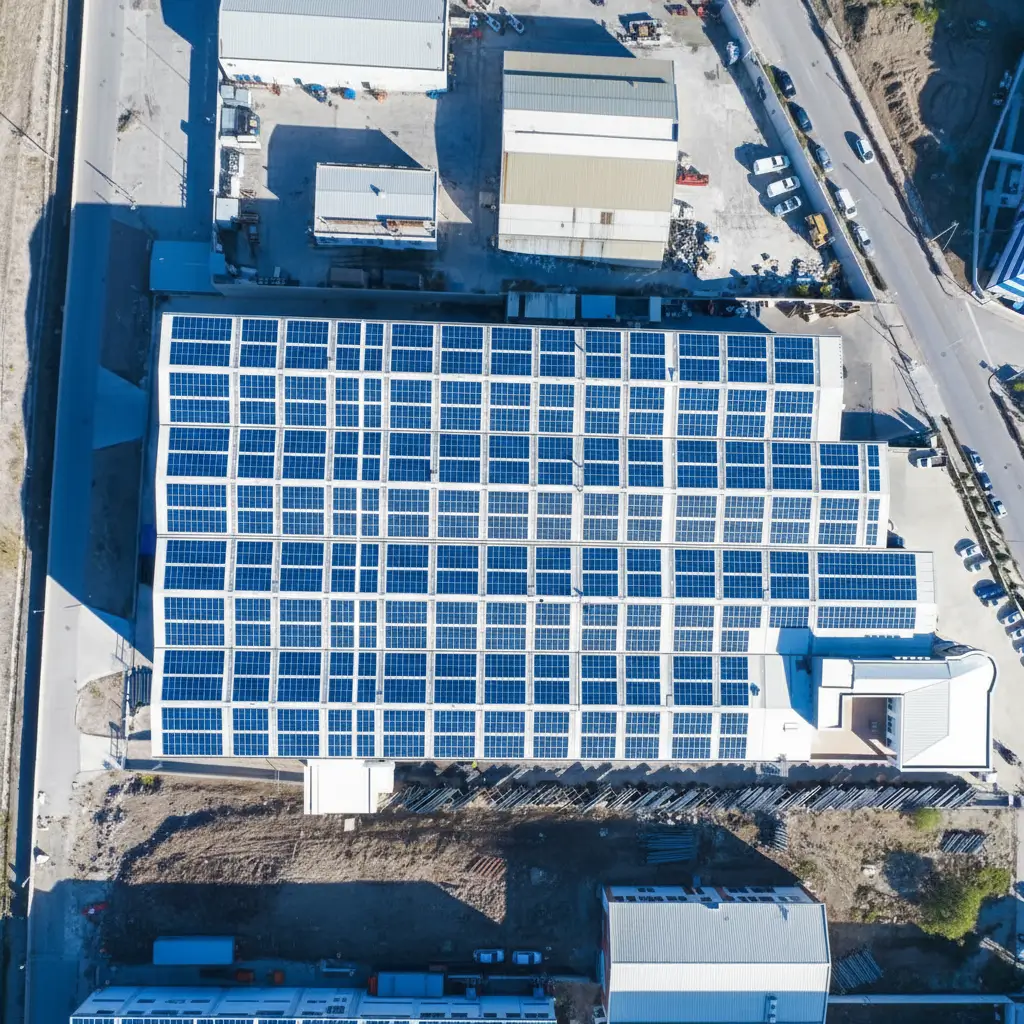
As part of its sustainability vision, Tega has made renewable energy investments a strategic priority. Through solar power plants installed on the factory rooftop and on company-owned land, 100% of Tega’s electricity consumption is now supplied by solar energy.
This significant step marks a milestone in minimizing Tega’s environmental impact. By investing in renewable energy, Tega is actively fulfilling its responsibility to nature and moving forward with determination to leave behind a cleaner, more livable, and sustainable world for future generations.
Water Reuse
As part of its commitment to preserving natural resources, Tega has integrated rainwater harvesting and treatment systems into its facilities. Through this infrastructure, rainwater is purified and reused, meeting 40% of the company’s total water demand.
This initiative reflects Tega’s dedication to using water resources efficiently and responsibly. With this approach, Tega makes a tangible contribution to protecting the planet’s precious water reserves.


Corporate Social Responsibility
Tega considers contributing to society one of the cornerstones of its corporate responsibility approach. In line with this vision, the Tega Music School has been established as a social responsibility project. At this school, employees’ children receive three hours of piano lessons per week from a professional instructor. Each student has their own digital piano, providing an environment where their artistic development is supported and their creativity is encouraged.
Tega believes that art is one of the vital lifelines of society and aims to fulfill its role in this area through its music school initiative.
Valuing People
Tega believes that people are at the heart of its success. For this reason, creating a corporate culture that respects, values, and supports the well-being of every employee has become one of its top priorities.
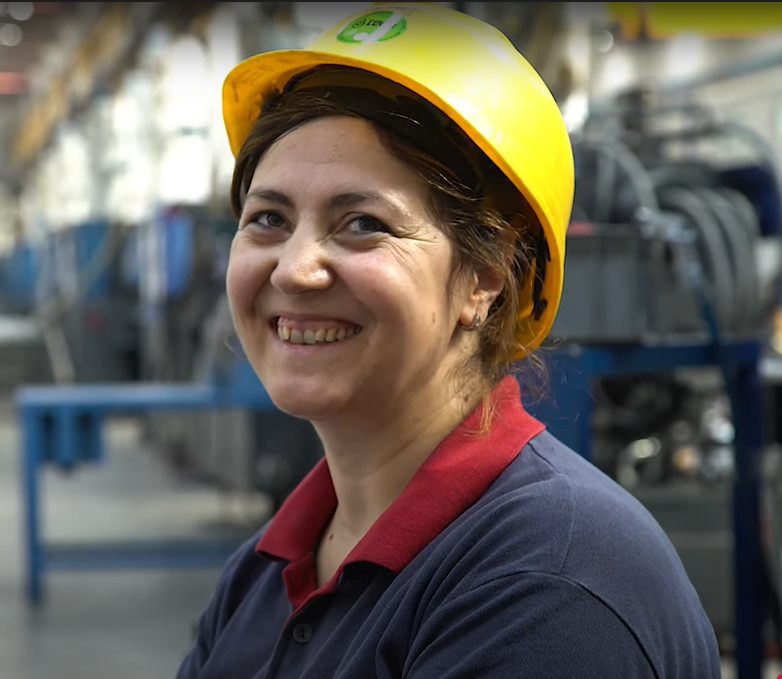
During recruitment, Tega practices affirmative action in favor of women, actively supporting their greater visibility and empowerment in the workplace.
Tega has adopted a strict policy of respect for different ways of thinking, cultures, and ethnic backgrounds. There is zero tolerance for racism, discrimination, or any form of exclusionary behavior within the company.